June 28, 2026
Jewelry often carries personal meaning, memories, and style. Over time, everyday use can lead to damage or wear that affects both appearance and function. Understanding the most common issues can help people know when professional care is needed. This article explains frequent types of damage, how repairs are handled in general terms, and why jewelry repair plays an important role in keeping pieces in good condition. Many people seek professional help when they notice changes in the look or feel of their jewelry. This article will explain the most common types of repair needs and what typically happens during the jewelry repair process.
Identifying Common Jewelry Damage
Jewelry can be exposed to daily movement, temperature changes, and accidental impact. These factors can lead to bending, loosening, or breakage over time. One of the most common reasons people look into jewelry repair is that small issues become noticeable during regular use. Rings may become misshapen, chains may weaken, and clasps may stop closing properly. Stones can also loosen if the settings become worn. These problems often develop slowly, making them easy to overlook at first. Jewelry repair is commonly sought when these early signs begin to affect comfort or appearance. Seeking professional help allows the condition of the piece to be assessed before the damage becomes more serious.
Examining Ring and Band Problems
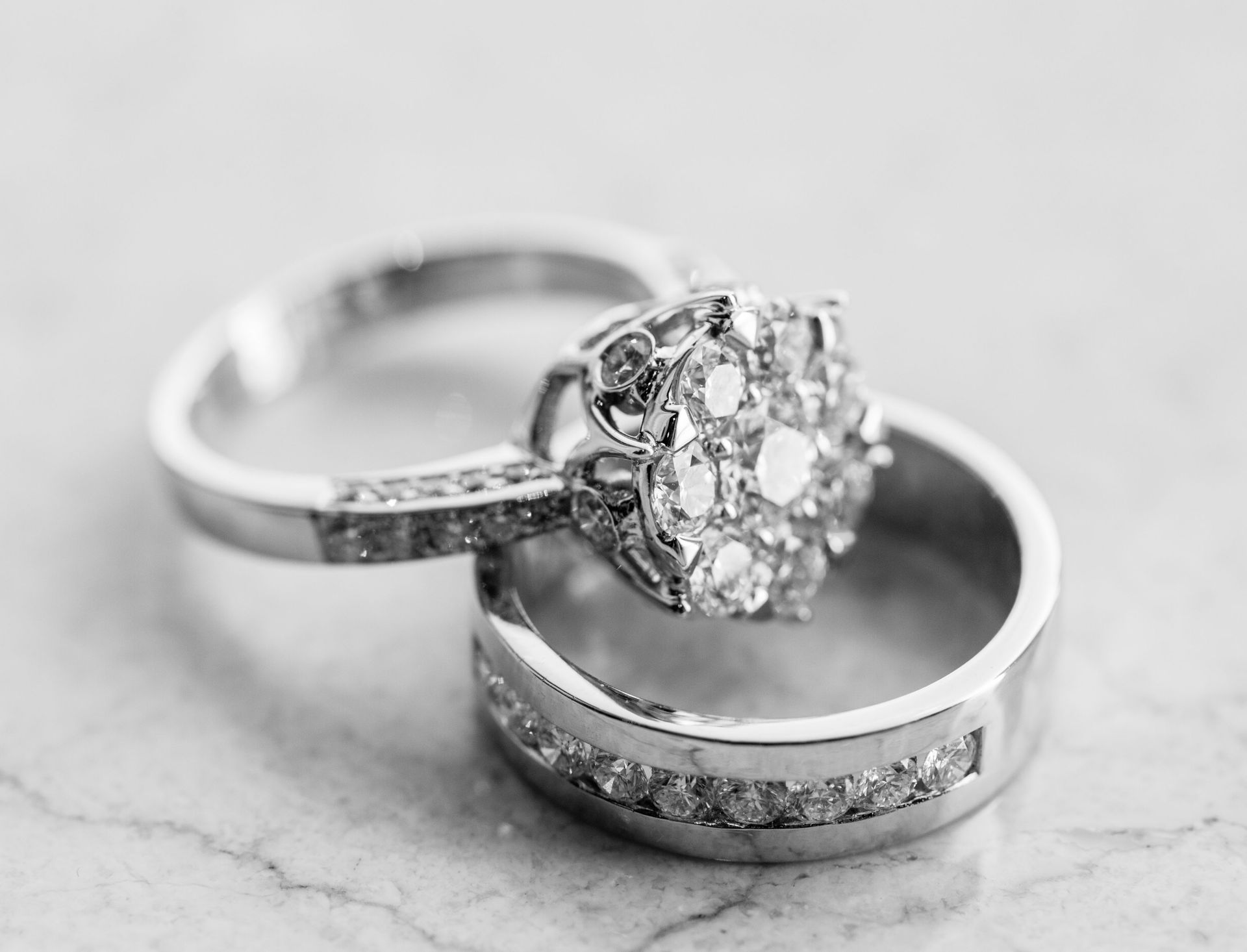
Rings are worn more frequently than many other pieces, which makes them more prone to wear. Over time, bands can thin out, bend, or lose their original shape. This can affect how the ring fits and how secure it feels on the finger. One common type of jewelry repair involves resizing or reshaping rings that no longer sit properly. Every day use, along with accidental knocks, can slowly change the structure of the metal. Jewelry repair for rings often focuses on restoring both comfort and stability. Seeking professional help helps address structural issues while maintaining the overall look of the piece. Many people also choose jewelry repair when rings feel loose or tight due to natural changes in finger size over time.
Repairing Chain and Clasp Breaks
Chains are delicate and can be affected by pulling, twisting, or tangling. Over time, links may weaken or break. Clasps can also lose tension, making it harder to secure a necklace or bracelet. Chain-related jewelry repair is very common because these pieces are often worn daily. Even light stress can cause small breaks that gradually become more noticeable. Jewelry repair in these cases typically focuses on restoring connection points and improving durability. Seeking professional help can allow damaged links to be addressed carefully so the piece can be worn again with confidence. Many people bring in chains for jewelry repair after noticing that a clasp no longer holds securely or that a section of the chain feels fragile.
Restoring Stone Settings
Gemstones are often held in place by small metal prongs or bezels. Over time, these settings can loosen due to movement or impact. When this happens, stones may shift or feel unstable. One of the most important types of jewelry repair involves checking and restoring stone settings. Even slight movement can increase the risk of a stone becoming loose or falling out. Jewelry repair for settings often involves tightening or reinforcing the holding structure. Seeking professional help is important because a secure placement helps protect the value and appearance of the piece. Many people choose jewelry repair when they notice stones appearing uneven or slightly raised compared to their original position.
Addressing Metal Wear and Scratches
Metal surfaces naturally change over time. Every day contact with clothing, surfaces, and other objects can lead to scratches or dullness. Some metals may also thin out after long periods of use. Jewelry repair often includes restoring the surface of the metal to improve its appearance and strength. This can help bring back a smoother and more even look. Scratches and wear are common reasons people seek jewelry repair, especially for frequently worn items. Seeking professional help allows the condition of the metal to be evaluated and restored in a way that supports long-term durability. Many pieces benefit from jewelry repair when surface wear begins to affect both appearance and comfort.
Cleaning and Polishing Restoration
Dirt, oils, and environmental exposure can affect how jewelry looks over time. Even well-cared-for pieces can lose their shine. Regular cleaning helps maintain appearance, but deeper buildup may require more detailed attention. Jewelry repair sometimes includes cleaning and polishing as part of the restoration process. This helps remove buildup and improve the overall look of the piece. Jewelry repair focused on cleaning can also reveal hidden issues, such as loose settings or worn areas. Seeking professional help allows both appearance and structure to be reviewed at the same time. Many people notice that jewelry repair improves brightness and clarity, especially for pieces worn frequently.
Preventing Future Jewelry Damage
While wear is natural, certain habits and conditions can increase the chance of damage. Heavy lifting, exposure to moisture, and frequent impact can all contribute to faster wear. Jewelry repair is often used not only to fix damage but also to help extend the life of a piece. Regular checks can help identify early signs of wear before they become larger problems. According to WorldMetrics, the global luxury jewelry market is projected to reach $129 billion by 2027. This reflects the ongoing value people place on fine jewelry across many regions. As ownership grows, so does the importance of maintaining and restoring pieces through jewelry repair so that they remain usable and visually appealing over time. Seeking professional help for inspection and maintenance can help reduce the need for more extensive jewelry repair in the future.
Restoring Heirloom and Sentimental Pieces
Many jewelry items hold personal or family meaning. These pieces may be older and more delicate, making them more likely to show signs of wear. Over time, clasps may weaken, stones may loosen, and metal may become thin. Jewelry repair for sentimental pieces is often focused on preserving the original design while improving stability. Careful attention is needed to maintain the character of the item. Jewelry repair in these cases is often requested when families want to continue wearing or passing down meaningful items. Seeking professional help allows these pieces to remain part of everyday life while reducing the risk of further damage. Many people choose jewelry repair to keep heirlooms both functional and visually preserved.
Understanding Everyday Wear Effects
Daily use has a gradual impact on jewelry. Even light wear can lead to small changes over time. Exposure to lotions, water, and friction can all affect the condition. Jewelry repair helps address these gradual changes before they become more noticeable. Small adjustments can improve both appearance and durability. Jewelry repair is often requested when items no longer feel as secure or polished as they once did. Seeking professional help allows these subtle changes to be corrected in a careful way that supports long-term use.
Jewelry can experience many types of wear over time, from broken chains and loose stones to surface scratches and structural changes. Understanding these common issues helps people recognize when jewelry repair may be needed and how it can restore both appearance and function. If you are considering jewelry repair, contact Byron's Jewelry today to learn how professional care can help restore and preserve your most valued pieces.